
Climb Mount Kilimanjaro — From the Town That Lives in Its Shadow

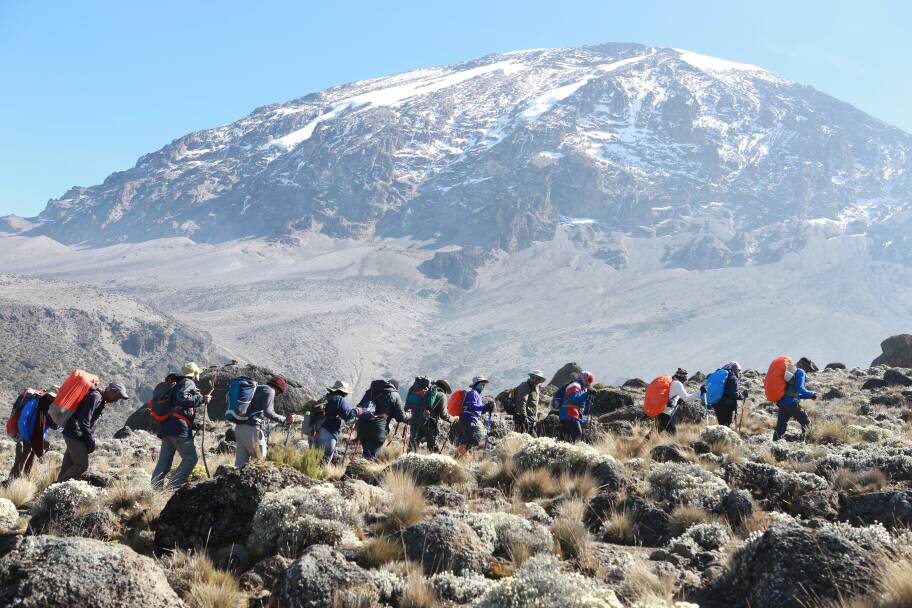
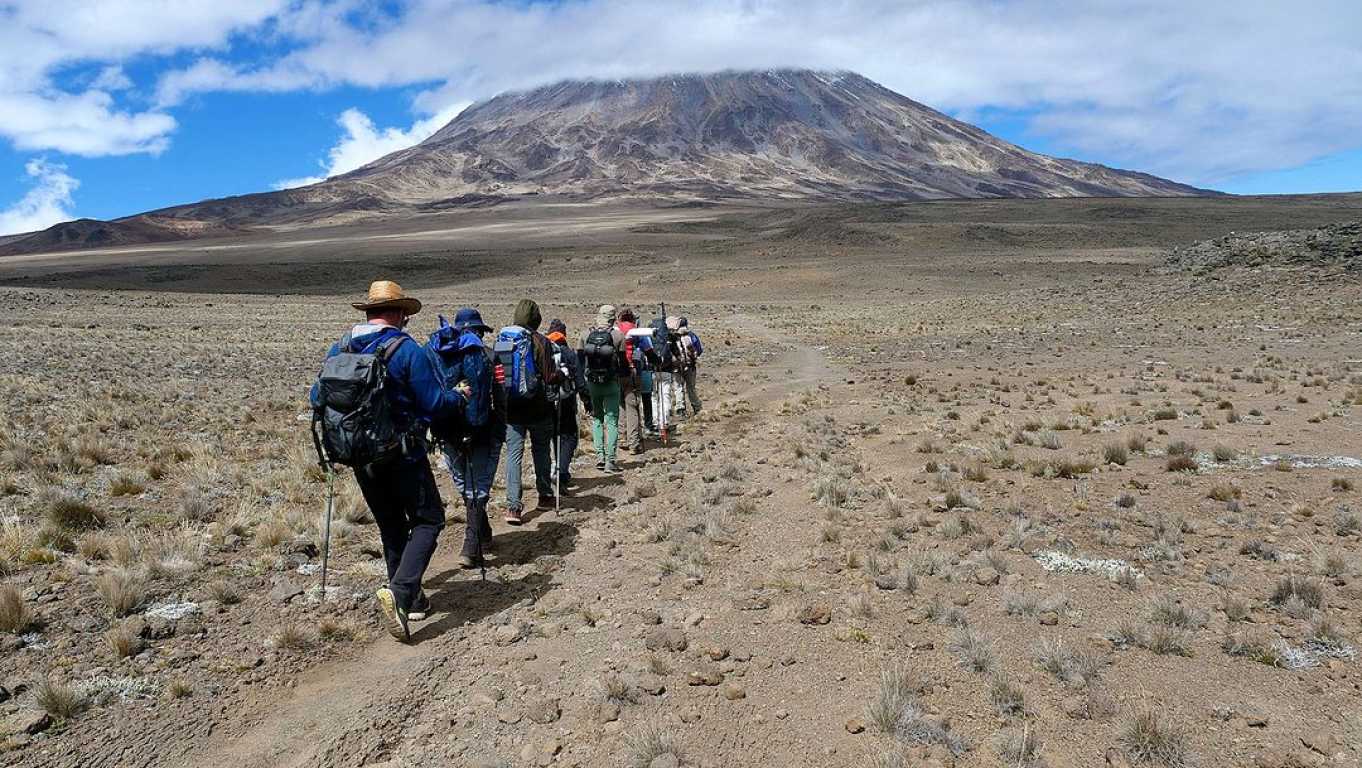
Our office looks up at Kilimanjaro every morning. Our guides grew up tracing its silhouette against the sky on their walks to school. For over ten years we have been escorting climbers from sea level to the snowy crater rim of Uhuru Peak — 5,895 metres, the highest point on the African continent. Slowly, carefully, joyfully. Pole pole, as we say in Swahili.

Kilimanjaro Routes Explained

Six official routes lead to the summit. They differ in scenery, difficulty, traffic and — most importantly — acclimatisation. We almost never recommend a route shorter than seven days.

  • Lemosho Route (7–8 days): Our top recommendation for first-time climbers. Quiet western approach, excellent acclimatisation, the most beautiful scenery on the mountain. Summit success on the 8-day version is around 90% with us.
  • Machame Route (6–7 days): The famous Whiskey Route — varied, beautiful, popular. The 7-day version gives a crucial extra acclimatisation night.
  • Marangu Route (5–6 days): The only route with hut accommodation instead of tents. We always recommend the 6-day option.
  • Rongai Route (6–7 days): The only northern approach. Quieter, drier, a good choice in wetter months.
  • Northern Circuit (9 days): The longest, newest and most scenic route, with the highest summit success rate of all.
  • Umbwe Route (6 days): Steep, direct, demanding. For experienced trekkers only.

What's Included on Every Kilimanjaro Climb

  • All Kilimanjaro National Park gate, camping and rescue fees
  • Mountain-certified head guide and assistant guides (1 guide per 2 climbers)
  • Experienced KPAP-aligned porter team with fair wages and load limits
  • Three hot meals daily prepared by our mountain chefs
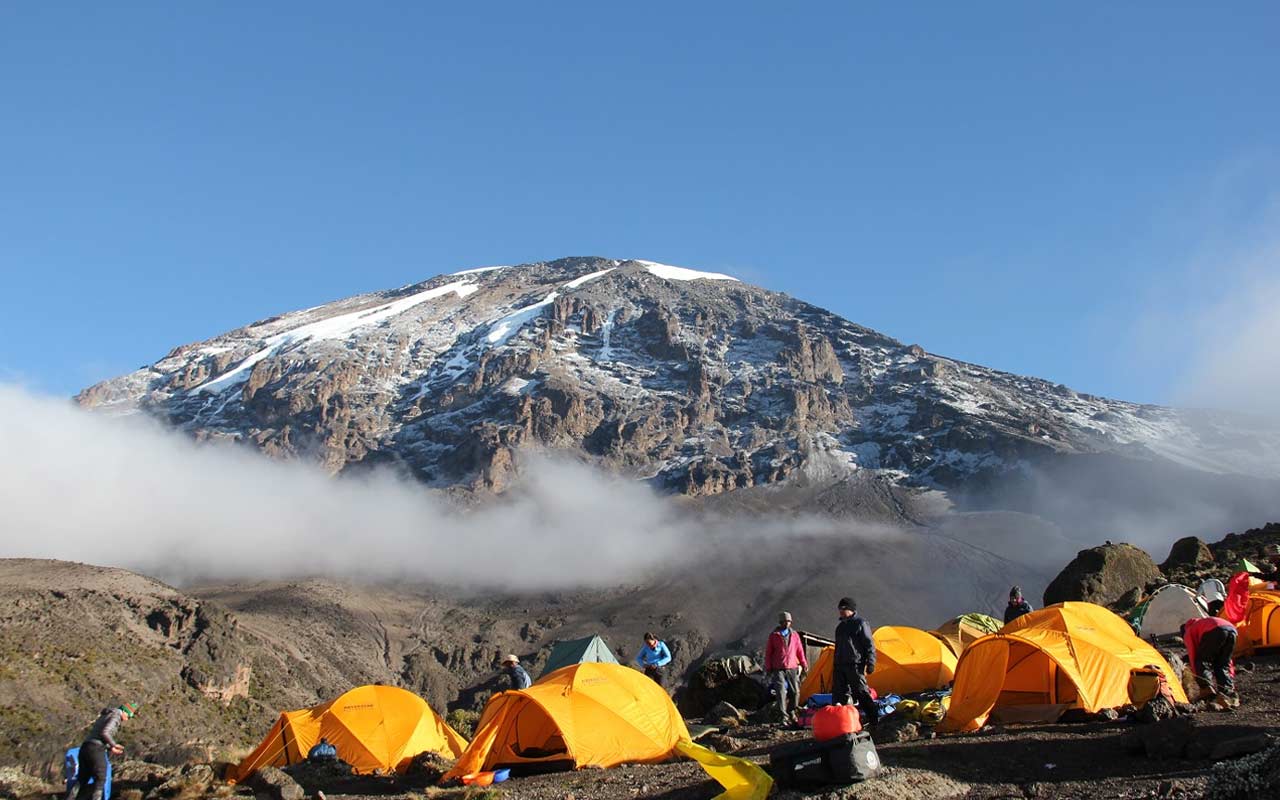
  • 4-season mountain tents, sleeping mats, mess tent with chairs and table
  • Pulse oximeter twice-daily health checks and emergency oxygen on every climb
  • Round-trip transfers between Moshi hotels and the mountain gate
  • Two nights' hotel accommodation in Moshi (before and after the climb)

Climbing Safely on Africa's Highest Peak

Kilimanjaro is not a technical climb, but altitude is unforgiving. A decade of experience has taught us that the safest summits are the slow ones. Our guides carry pulse oximeters, oxygen and evacuation training. Our itineraries build in the acclimatisation days that shorter, cheaper operators cut.

Best Time to Climb Kilimanjaro

January to mid-March: Warm, clear skies, quiet trails. Excellent.
June to October: Dry, cold at altitude, busiest. The classic climbing window.
April to May and November: Rainy seasons. Generally avoid unless experienced.

DRAG